Tips for Creating a Comfortable and Productive Home Office Space
Creating a comfortable and productive home office space is essential for anyone who works remotely or spends significant time on tasks at home. A well-designed workspace not only enhances your efficiency but also supports your physical well-being and mental focus. Whether you have a dedicated room or just a small corner, there are simple strategies to make your home office both comfortable and conducive to productivity.
Choose the Right Location
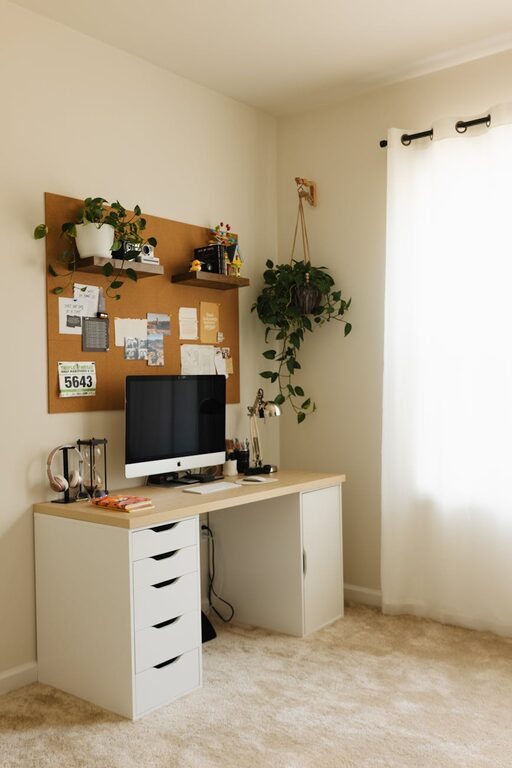
Selecting the best spot in your home for your office is the first step. Ideally, pick a quiet area with minimal distractions and good natural light. A corner of a room or a small nook can often work well. If possible, a separate room helps create a boundary between work and personal life, making it easier to focus and switch off when the workday ends.
Invest in Ergonomic Furniture
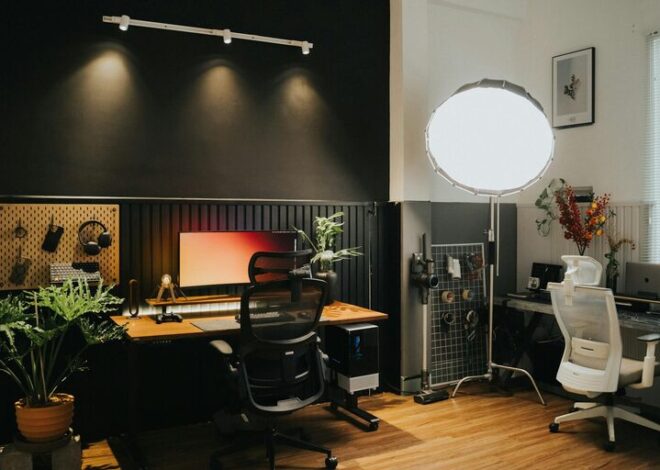
Comfort is key to staying productive, especially when sitting long hours. An ergonomic chair that supports your back and encourages good posture will prevent discomfort and fatigue. Pair this with a desk at the right height to avoid strain on your neck and shoulders. Consider a desk that allows you to switch between sitting and standing, which can boost energy and reduce the risks of prolonged sitting.
Optimize Lighting
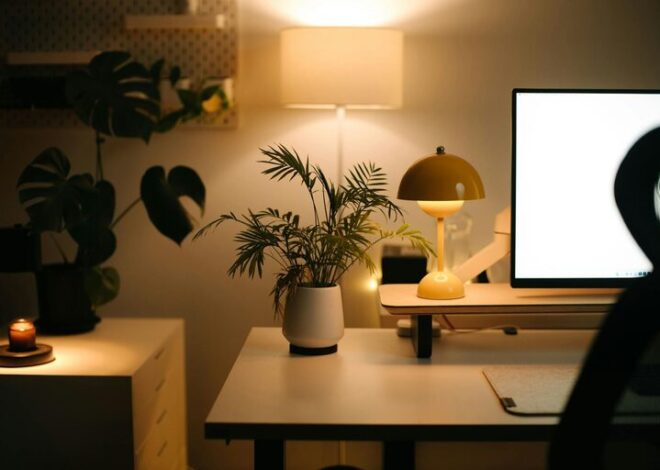
Natural light is the most beneficial, so position your desk near a window if possible. It improves mood and alertness. Supplement with adjustable task lighting like a desk lamp to reduce eye strain during late hours or cloudy days. Avoid harsh overhead lighting or glare on your screen by using curtains or blinds to control brightness.
Organize Your Desk and Storage
A clutter-free desk helps maintain focus. Use organizers such as trays, drawers, or file holders to keep documents and supplies in order. Label storage boxes or folders for easy access. Wireless accessories and cable management solutions can also reduce visual clutter and create a tidy, efficient workspace.
Personalize Your Space
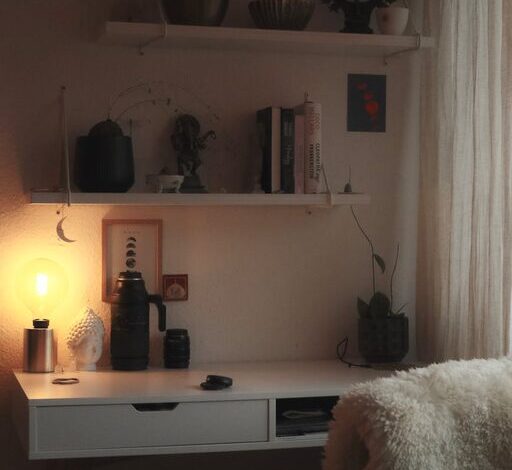
Adding personal touches like plants, artwork, or family photos can make your home office feel inviting and boost motivation. Plants improve air quality and add a calming element. However, keep decorations minimal to avoid distractions.
Use Technology Wisely
Make sure your internet connection is stable and fast to minimize disruptions. Invest in quality peripherals such as a monitor, keyboard, and mouse that suit your work needs. Noise-canceling headphones are great for blocking out background noise during concentration or virtual meetings.
Set Clear Boundaries and Routine
Establishing routines and boundaries helps separate work time from personal time. Set specific work hours, take regular breaks, and communicate your schedule to household members. Using a dedicated workspace reinforces these boundaries and signals when you are “at work.”
Incorporate Break Areas or Movement
If space allows, create a small area for stretching or short breaks. Standing up, stretching, or doing simple exercises improves circulation and prevents stiffness. Even short movement sessions can refresh your mind and body during the workday.
Maintain Good Air Quality and Temperature
Good ventilation and a comfortable temperature help maintain alertness and comfort. Open windows regularly to let in fresh air or use a fan or air purifier if necessary. Adjust heating or cooling to a level that keeps you comfortable throughout the day.
Regularly Refresh Your Workspace
Periodically review and update your home office setup. Refreshing the space by rearranging furniture, updating decor, or upgrading technology can keep your workspace inspiring and functional. This helps prevent stagnation and keeps motivation high.
—
By applying these tips, you can transform your home office into a space that supports your productivity and well-being. A thoughtfully planned environment allows you to work efficiently while feeling comfortable and motivated every day.